Navigating Maternal Anxiety and Unexpected Emotional Crisis in Prenatal Care
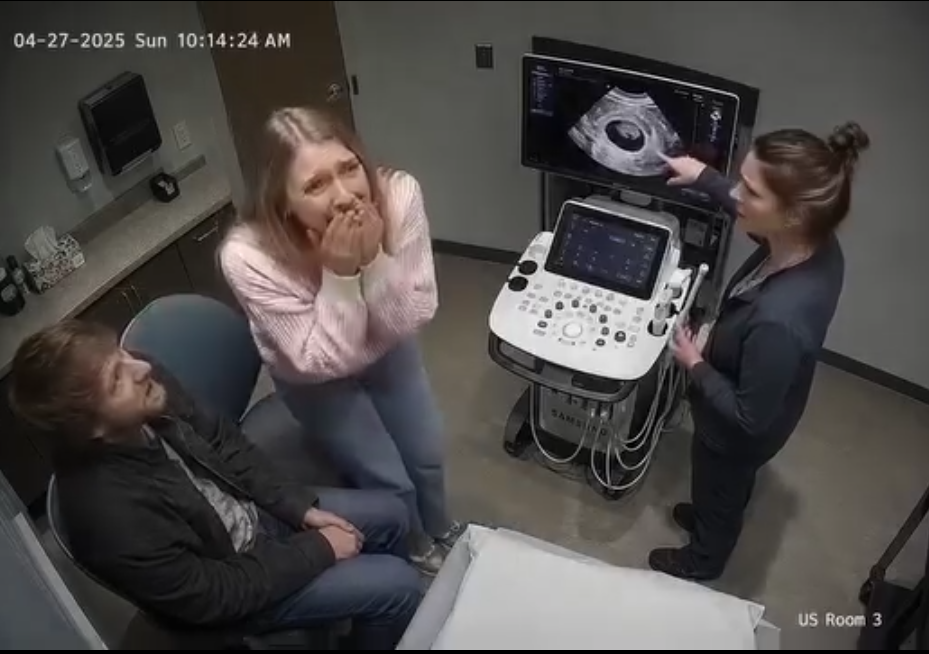
Modern prenatal care relies heavily on routine imaging techniques to monitor fetal development and ensure maternal health. During a standard checkup, an expectant couple sits with a medical technician to review an ultrasound scan displayed on a digital monitor. The environment typically suggests a peaceful milestone celebration as a new family prepares for the future. However, a recent viral video clip captures an unexpected emotional crisis unfolding within an examination room setting. As the professional points toward the screen to indicate the presence of the developing fetus, the pregnant woman experiences an immediate psychological reaction. She suddenly stands up from her seat, visibly overwhelmed with intense distress and vocal panic. Shouting that she does not want the baby, she moves away from the medical equipment in complete shock. Her partner sits momentarily stunned by the abrupt shift in her demeanor and tone. The technician quickly moves to intervene, urging the patient to calm down and breathe through the moment. Such dramatic responses highlight that medical procedures can sometimes trigger deeply rooted fears or anxieties. Observers of the footage have raised numerous questions regarding the underlying factors behind this severe reaction. While pregnancy is often romanticized in mainstream media, the psychological reality for many individuals is far more complex. Sudden panic during a clinical visit is not entirely uncommon when dealing with profound life changes. The clip offers a raw glimpse into the unpredictable nature of human emotion in clinical spaces. Healthcare facilities must remain prepared to navigate these sensitive scenarios with utmost care and professionalism. Understanding the root causes of such distress requires a deeper examination of maternal mental health challenges.
Perinatal anxiety and depression affect a significant percentage of expecting mothers worldwide, though it remains underreported. The realization of impending parenthood can trigger severe stress responses, sometimes manifesting as sudden panic attacks. Phobias related to pregnancy, medical interventions, or childbirth can also play a major role in these sudden outbursts. For some individuals, looking at an ultrasound image transforms an abstract concept into an overwhelming physical reality. This sudden confrontation with the future can overload the nervous system, leading to a fight-or-flight response. Hormonal fluctuations during gestation further amplify these emotional vulnerabilities, making reactions more intense than usual. In the viral footage, the woman’s physical retreat emphasizes a classic avoidant response to an anxiety-inducing stimulus. The partner’s immediate concern reflects the confusion that family members often feel when witnessing a sudden psychological shift. Medical staff are trained to recognize these signs of acute distress to prevent injury to the patient or fetus. De-escalation techniques, such as speaking in a low tone and offering physical space, are essential in these moments. The clinical environment itself, with its cold lighting and complex machinery, can inadvertently exacerbate feelings of helplessness. Addressing maternal mental health requires looking beyond physical symptoms to evaluate emotional readiness and stability. Routine screenings for anxiety should ideally be integrated into every stage of prenatal care visits. Early detection of severe tokophobia can help clinicians provide tailored support long before an ultrasound takes place. When a crisis occurs during a live scan, the primary focus must immediately shift from data collection to patient comfort. The visual narrative of this specific incident underscores the urgent need for comprehensive psychological awareness in obstetrics. Dismissing these episodes as mere emotional outbursts fails to address the serious underlying medical needs of the patient.
Creating a supportive framework for expectant parents involves collaboration between obstetricians, psychologists, and support networks. Prenatal education classes should normalize the mixed emotions, fears, and anxieties that often accompany family planning. Partners also require guidance on how to provide effective emotional support during sudden panic episodes. Open communication between patients and providers establishes a foundation of trust that can mitigate fear in clinical settings. Offering flexible scheduling or allowing patients to bring supportive companions can ease the tension of routine appointments. Additionally, introducing relaxation exercises or guided breathing before a scan can significantly lower baseline anxiety levels. Mental health professionals suggest that discussing fears openly before viewing an ultrasound can prevent shock responses. When patients feel heard and validated by their medical team, their overall stress levels decrease substantially. The medical community continues to advocate for a more holistic approach to reproductive health that balances physical and mental well-being. This viral video serves as a powerful reminder that clinical care extends far beyond physical measurements and diagnostic images. Empathy and patient-centered communication remain the most effective tools for managing acute emotional distress in medicine. By fostering an environment of compassion, healthcare providers can transform potentially traumatic experiences into moments of healing. The public discussion surrounding this footage could pave the way for better resources dedicated to maternal mental health. Every expecting mother deserves access to comprehensive care that honors both her body and her mind. As digital media continues to highlight these raw human experiences, society must respond with understanding rather than judgment. Ensuring that healthcare spaces are emotionally safe spaces is a vital goal for the future of medicine. Through education and proactive support, the path to parenthood can become a safer, more manageable journey for everyone involved.