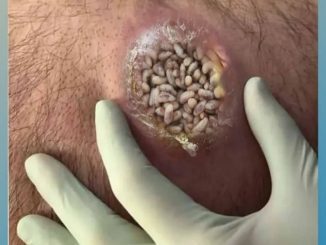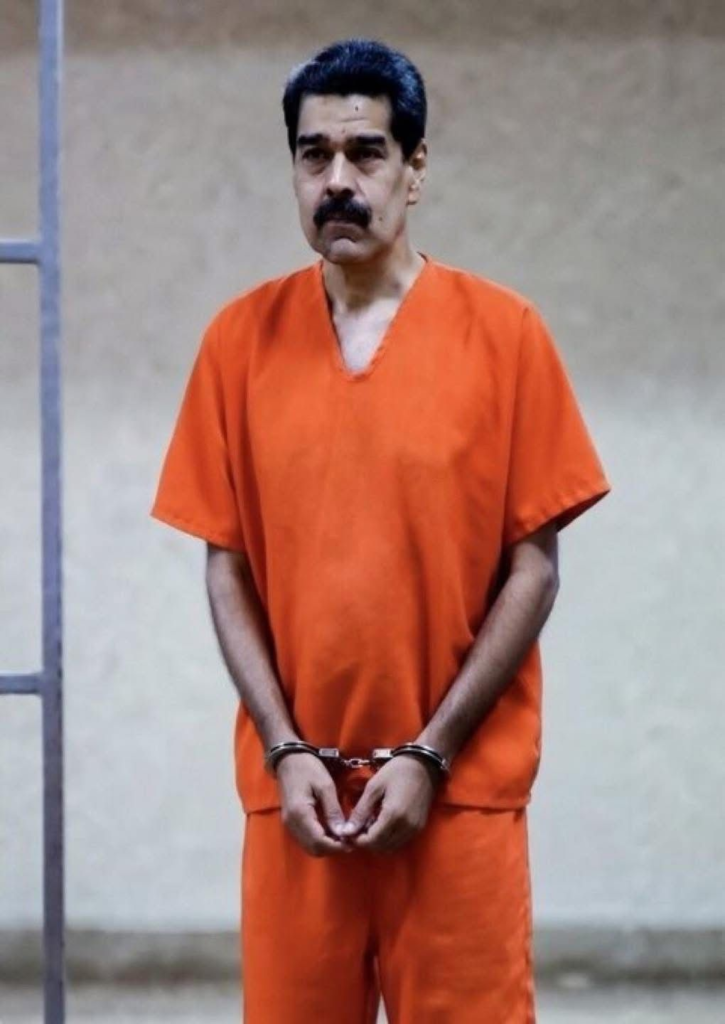
The impact of life in prison can be profound and transformative. Often, the physical changes individuals experience after spending time incarcerated are remarkable. In this article, we will explore the striking physical changes that occur after incarceration , focusing on how experiences in such a restrictive environment can influence a person’s health and well-being. We will also examine the case of a famous former president of Venezuela who suffered considerably during his time in prison, resulting in a visible physical transformation.
Life in prison and its effects
Life in prison is not easy. Those who spend time in a cell often face extreme conditions that can affect both their mental and physical health. From a lack of access to nutritious food to the inability to exercise regularly, these factors contribute to a shocking physical change after incarceration .
In many cases, the intense stress and anxiety that come with being incarcerated can lead to drastic changes in the body. Some people may lose weight due to a lack of appetite, while others may gain weight due to consuming the unhealthy, high-calorie foods often found on prison menus. Malnutrition, combined with anxiety, creates a vicious cycle that affects the overall well-being of inmates.
The psychological impact
In addition to physical changes, the psychological impact of being in prison should not be underestimated. People often struggle with depression and anxiety, which can lead to self-destructive behaviors. This emotional suffering can manifest physically, causing a decline in overall health. The combination of these factors can result in a shocking physical transformation after incarceration .
Social isolation and a lack of human interaction can exacerbate these problems. The loss of meaningful connections and feelings of loneliness can cause some people to neglect their health, which in turn contributes to noticeable physical changes. The prison environment, which is often hostile and oppressive, can lead to a decline in mental health that is reflected in physical health.
Exercise and physical activity
In some prisons, inmates have access to sports facilities and exercise programs that allow them to stay active. However, this is not the norm everywhere. Lack of exercise can lead to weight gain and long-term health problems. Those who manage to maintain an exercise regimen, even a limited one, can experience positive changes in their physique, despite the challenges. Often, exercise becomes a way to release pent-up stress and improve mental health.
The dramatic physical changes that often follow imprisonment can be both positive and negative, depending on individual circumstances. Some may emerge healthier and in better physical shape if they’ve had access to exercise opportunities, while others may face serious health problems due to inactivity and poor diet. It’s important to note that exercise not only affects the body but also the mind, releasing mood-enhancing endorphins.
The case of the former president of Venezuela
A striking example of a dramatic physical transformation following imprisonment is the case of the former president of Venezuela, who suffered greatly during his time behind bars. The harsh prison conditions, combined with emotional stress and deprivation of liberty, resulted in a drastic change in his appearance and overall health. This leader, who had been a prominent figure in Venezuelan politics, underwent a significant transformation during his incarceration.
The suffering, both physical and emotional, had a profound impact on his well-being. As the days in prison passed, it became clear that his body was changing, and his physical condition was rapidly deteriorating. Images of his physical condition during and after his incarceration are a testament to the impact that prison life can have on a person’s health. This case underscores the importance of considering not only the physical changes but also the emotional impact that prison can have on individuals.
Rehabilitation and reintegration
After being released from prison, many face the challenge of reintegrating into society. This process can be complicated, especially if they have experienced a dramatic physical change after incarceration . Adjusting to life outside prison can be difficult, and many may have to deal with health problems resulting from their time behind bars. Reintegration involves not only finding a job and a place to live, but also coping with the social stigma that former inmates often face.
Some individuals seek professional help to address mental and physical health problems that may have arisen during their incarceration. Rehabilitation and support are critical to helping these individuals recover and reintegrate into the community. Reintegration programs that provide tools and resources are essential to facilitating this process, enabling former inmates to adjust more effectively to life outside of prison.
Redefining identity
Physical change not only affects self-perception but also how others perceive the person. Those who have undergone a dramatic physical transformation after incarceration may feel insecure about their new image and how they fit into society. This can lead to an identity crisis that is important to address carefully. Rebuilding self-esteem and self-confidence is a process that can require time and effort.
It is essential for people to understand that their worth is not determined by their physical appearance, but by their character and actions. Transformation can be an opportunity to redefine who they are and how they want to live their lives after prison. Personal reinvention can be a liberating path, allowing individuals to find new passions and purpose in life.
The importance of social support
Social support plays a crucial role in the reintegration process. People who have been through the prison system need a support network that understands their experiences and helps them overcome the challenges of life after release. Family, friends, and support groups can provide the necessary motivation to maintain a healthy and positive lifestyle. These social ties are vital for the emotional and mental stability of former inmates.
Furthermore, sharing experiences with others who have gone through similar situations can be extremely beneficial. This not only helps build a supportive community but also allows people to learn from each other and find effective ways to manage the shocking physical changes after going to prison . Support groups can offer a safe space to discuss the challenges they face and find collective solutions.
The role of food
Nutrition is a crucial aspect of addressing the dramatic physical changes that often follow incarceration . Those who have experienced a decline in their health due to poor nutrition during their incarceration should focus on re-establishing a balanced and nutritious diet. This will not only help them regain any lost weight but also improve their overall well-being. Nutrition education can be an invaluable resource during this reintegration process.
Diets high in fruits, vegetables, lean protein, and whole grains are essential for physical recovery. Staying hydrated is also important, as water plays a vital role in overall health and the body’s recovery. Learning to cook and prepare healthy meals can be a way to foster positive habits and enjoy the process of self-care.
Conclusions on physical change after imprisonment
The dramatic physical changes that often accompany incarceration are a phenomenon with a variety of causes and effects. While some may experience a positive transformation through exercise and a healthy diet, others may face significant challenges due to the harsh realities of prison life. Understanding these changes is crucial for providing appropriate support to those who have gone through this difficult process.
The case of the former president of Venezuela is a reminder that prison experiences can be devastating and have lasting consequences. However, with the right support and a focus on physical and mental health, it is possible to overcome these challenges and move toward a healthier, more balanced life. The key lies in each individual’s resilience and determination to rebuild their life and well-being.
It is crucial that society understands the complexities of time spent in prison and provides the necessary support to help former inmates successfully reintegrate. Empathy, education, and access to resources are fundamental to facilitating this process and promoting health and well-being among those who have endured difficult experiences.
Ultimately, physical change doesn’t define a person; it’s just one part of their journey. With determination and support, many can find a new direction and redefine their lives after prison. Personal transformation is possible, and every success story is a testament to the human capacity to overcome adversity and find a new purpose in life.