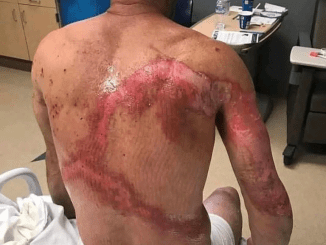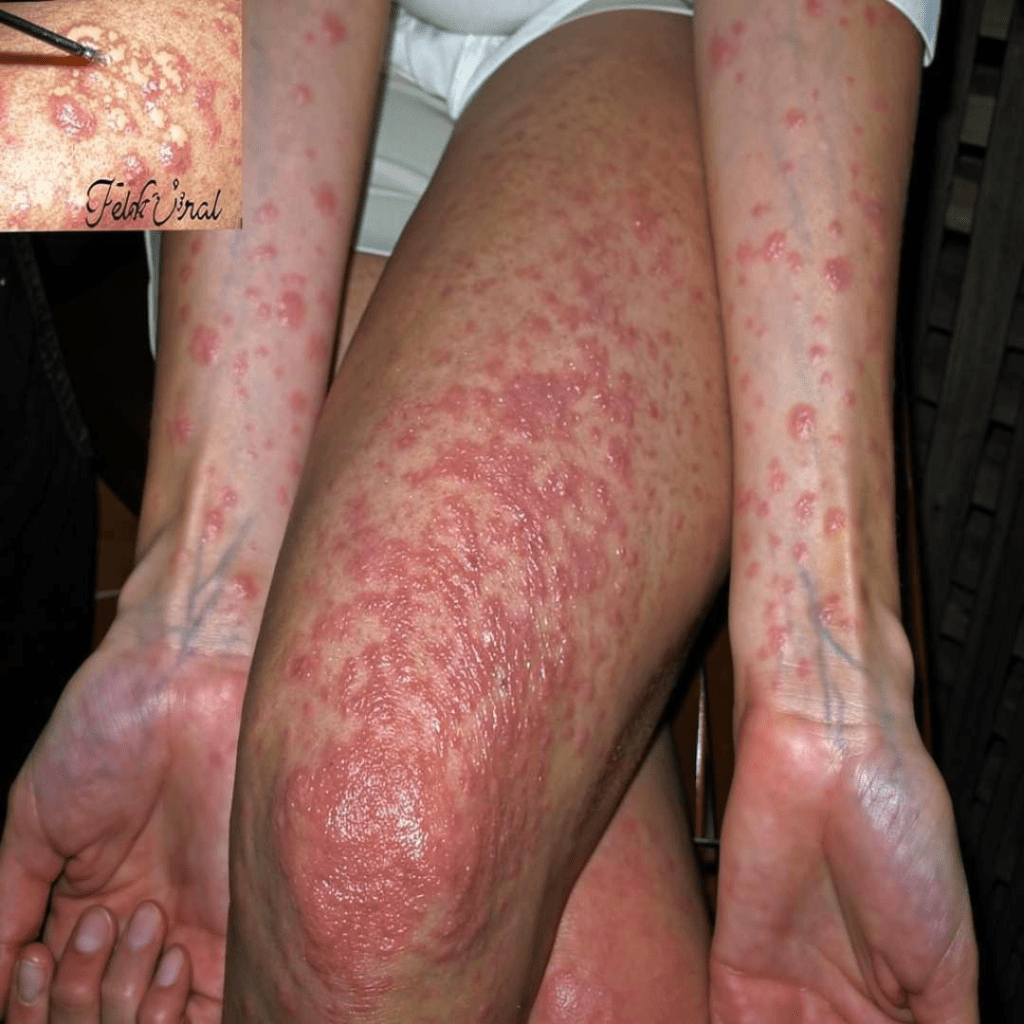
You’ve probably looked in the mirror or noticed one of those small red spots on your skin after a shower. They look like moles, but are a darker color, like tiny drops of blood trapped beneath the surface. Sometimes they appear on the arms, chest, or neck, and although they often go unnoticed, curiosity (or worry) soon arises: what are those little red spots really? Are they dangerous?
The truth is that, in most cases, these spots do not represent a serious health risk, but it is still useful to understand what causes them, when to pay attention to them, and what they are trying to tell us about our body.

 IMPORTANT: The video related to this story can be found at the end of the article.

These small red spots are known as cherry angiomas or ruby spots , and they are tiny clusters of dilated blood vessels that form just beneath the skin. Their size can range from almost imperceptible to a few millimeters, and their color tends to range from bright red to dark red, depending on the depth and blood flow in that area.
They generally appear as we get older, especially after 30, and are much more common than you might think. In fact, almost everyone develops them at some point in their lives. But while most are harmless, they can also be a message our body is sending us about something happening internally.

Why do red spots appear on the skin?
There are several reasons why these angiomas appear. One of the most common is the natural aging of the skin . As we get older, capillaries become more fragile and prone to breaking or expanding, resulting in these small spots.
However, other factors can also play a role: sun exposure , hormonal changes , stress , liver disorders , or even an excess of toxins in the body . When our body cannot eliminate certain substances efficiently, it sometimes manifests this through the skin.

Some medical theories suggest that these spots may be related to liver or circulatory system dysfunction , especially when they appear suddenly or in large numbers. The liver plays an essential role in blood purification, and when it is overloaded or damaged, certain impurities can manifest on the skin as red spots or dots.
When should you worry?
If you only have one or two spots, and they don’t change in size, shape, or color, there’s probably no cause for alarm. They’re a natural part of the aging process or a minor hair loss. But if you suddenly start noticing multiple new spots , especially if they’re accompanied by itching, bleeding, or inflammation , it’s important to see a dermatologist or a general practitioner.

The professional will be able to determine if it is really a cherry angioma or if it could be another skin condition, such as an allergic rash, petechiae (small bleeding under the skin) or even a symptom of a vitamin deficiency.
The skin: the mirror of the body
The skin is one of the most revealing organs of health. Often, what seems like a simple aesthetic detail can be a warning that something internal needs attention. For example, when the liver or kidneys are not functioning properly, the skin may become duller, drier, or show small lesions.

Therefore, when you notice the appearance of these red spots along with other symptoms such as constant fatigue, slow digestion, abdominal bloating, or changes in appetite , it might be wise to have a general check-up.
How to care for your skin and prevent the appearance of more red spots
There is no magic formula to completely prevent angiomas, but there are habits that help maintain healthy skin and reduce the likelihood of new ones appearing:

- Take care of your diet. A diet rich in fruits, vegetables, and antioxidant-rich foods (such as grapes, avocados, spinach, or berries) helps protect blood vessels and improves circulation.
- Stay properly hydrated. Drinking enough water makes the liver and kidneys work easier, helping to eliminate toxins that could show up on your skin.
- Avoid excessive alcohol and tobacco. Both contribute to liver damage and premature skin aging.
- Avoid excessive sun exposure. Use sunscreen daily, even on cloudy days. Ultraviolet radiation can weaken capillaries and cause these spots to appear.
- Get regular medical checkups. Although they may seem like minor details, prevention will always be the best tool.
Treatments to remove them (if you wish)
If red spots bother you for aesthetic reasons, there are safe treatments to remove them. Among the most common are electrocautery , vascular laser , and cryotherapy (the application of extreme cold to destroy tissue). These are quick procedures, performed by dermatologists, and generally leave no visible marks.

However, never try to remove them yourself or apply unproven home remedies. Manipulating them can cause infections or unnecessary scarring.
An important reminder
Red spots on the skin are usually harmless, but they shouldn’t be ignored if they appear excessively or change in appearance. Listening to your body, observing your skin, and maintaining good habits can make the difference between a simple concern and a condition that requires medical attention.
Remember that our body is always trying to communicate with us, even if it’s with small signals. Sometimes, a tiny red dot can be just that: a harmless dilated capillary. But other times, it can be your body’s way of telling you to pay attention to your internal health.
So the next time you look in the mirror and notice one of those spots, don’t panic, but don’t ignore it either. See it as your body’s invitation to take better care of yourself, to review your habits, and, if you feel it’s necessary, to consult a specialist. Prevention is always the best treatment.

Take care of your skin, take care of your health and listen to the signals your body sends you, because sometimes the smallest warnings can have great significance.