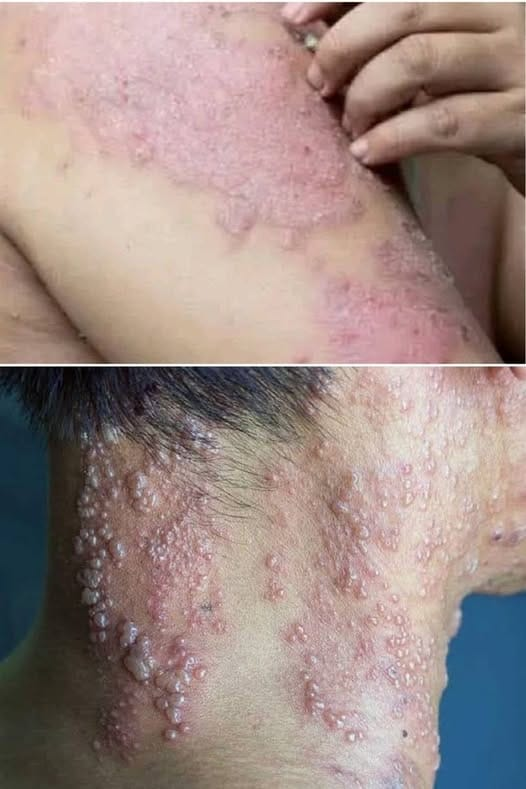
In recent years, health experts have emphasized the importance of raising awareness about the human papillomavirus (HPV). It is one of the most common viral infections worldwide, affecting both men and women. However, discussions often focus solely on women’s health, ignoring the fact that men are also affected by HPV and its potential long-term consequences.
Buy vitamins and supplements
HPV is often referred to as a “silent” virus. Most people don’t know they have it because symptoms rarely appear. However, its presence can cause health problems later in life. By raising awareness, promoting vaccination, and adopting preventive measures, men can significantly reduce their risk and, at the same time, protect their partners.
This article analyzes in depth what HPV is, how it spreads, why it is important for men, and the proactive measures that each person can take to protect their health.
What is HPV?
HPV stands for human papillomavirus , a group of more than 200 related viruses. Some types are considered low-risk and may cause mild skin problems, while others are classified as high-risk and are linked to certain types of cancer.
The Centers for Disease Control and Prevention (CDC) estimates that nearly all sexually active people will be exposed to HPV at some point in their lives . While the immune system usually clears the infection naturally within one to two years, persistent strains can lead to more serious health consequences.
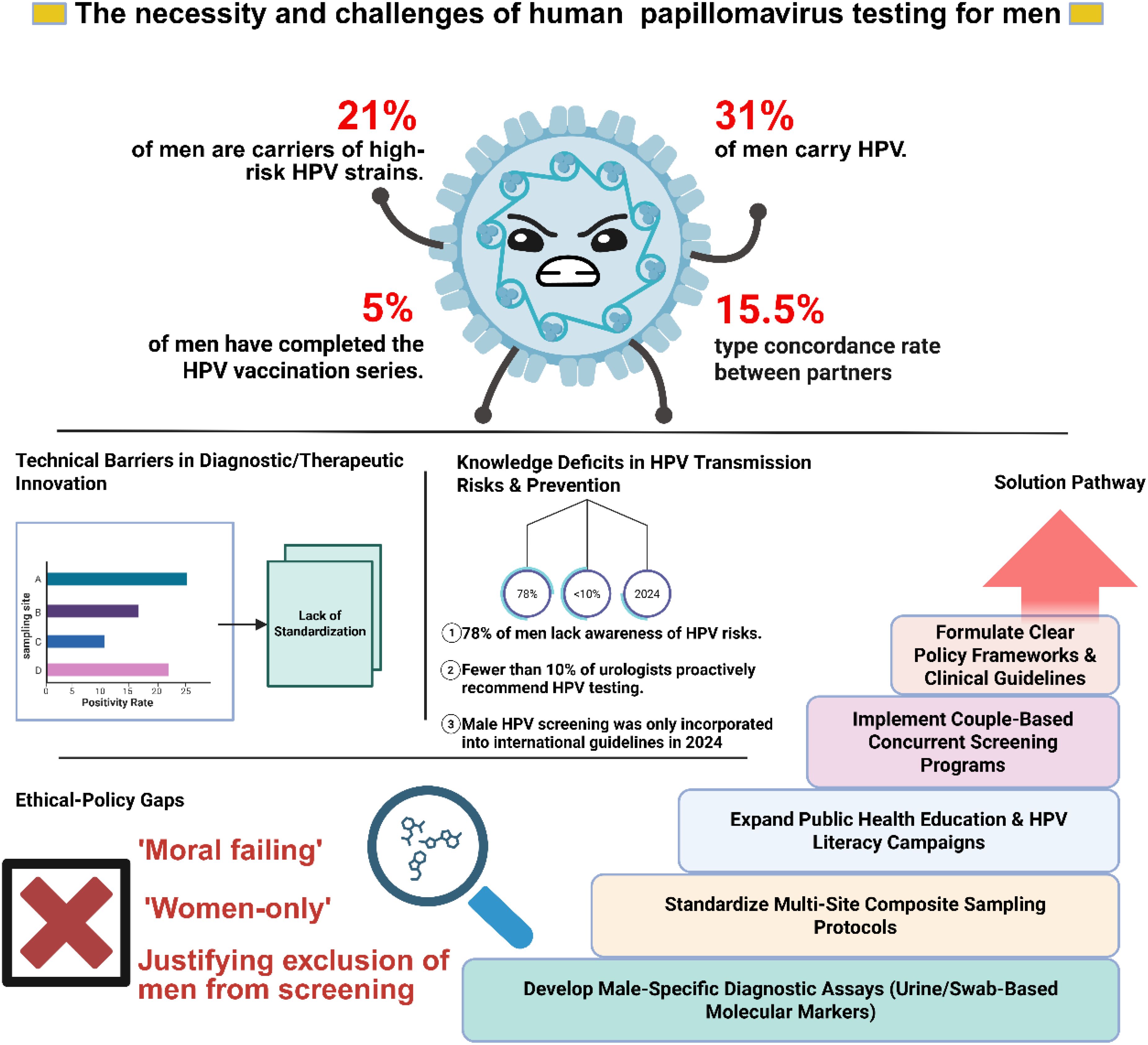
Why men should worry
In men, HPV has been linked to:
- Throat and mouth conditions caused by specific high-risk strains.
- Skin growths that may appear in sensitive areas.
- In rare cases, it increases the risk of cancer, particularly anal or oropharyngeal cancer.
The fact that HPV is so widespread makes it not only a personal health problem but also a public health priority.
How HPV spreads
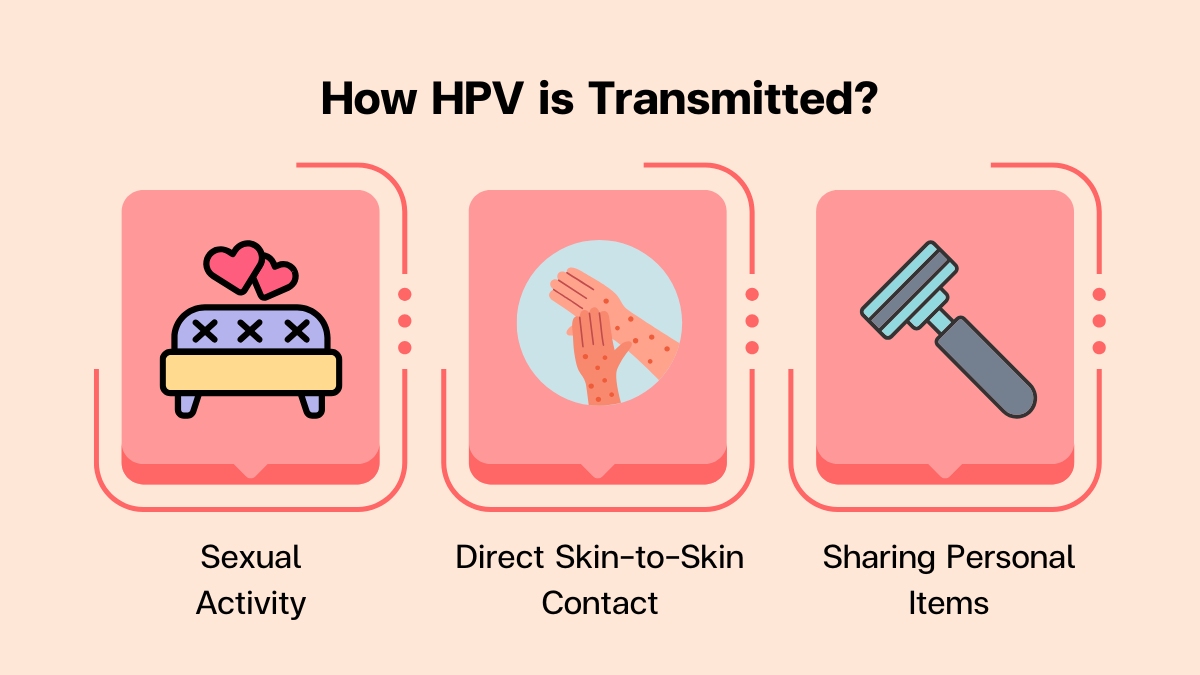
One of the reasons HPV is so common is its easy spread through direct skin-to-skin contact . Unlike other infections, HPV does not require the exchange of bodily fluids to be transmitted. Even without visible symptoms, the virus can be transmitted from one person to another.
This silent nature makes HPV difficult to monitor and prevent without proactive measures. Many people may not realize they are carrying the virus until years later, when related health problems arise.
The link between lifestyle and the risk of contracting HPV
While HPV can affect anyone, research suggests that risk factors increase with greater exposure. People with multiple close relationships over time are statistically more likely to encounter someone carrying a high-risk strain.
A study published in the journal Sexually Transmitted Diseases found a clear correlation between the number of reported partners and the likelihood of HPV exposure. However, it is crucial to emphasize that even a single sexual encounter can result in exposure .
The more often the body comes into contact with different strains, the harder it is for the immune system to eliminate them, increasing the chances of long-term persistence.
Symptoms and possible health risks in men
HPV is often asymptomatic, so it’s essential to be aware of your health regularly. When symptoms do occur, they may include:
- Small skin growths in sensitive areas.
- Respiratory papillomatosis , a rare disease in which growths develop in the airways.
- Oropharyngeal cancers , which affect the throat, tongue, or tonsils.
Most infections do not develop into serious illnesses. However, because high-risk strains can cause serious health consequences, prevention and monitoring remain important.
Buy vitamins and supplements
The emotional side of HPV
Beyond physical symptoms, HPV can also have emotional consequences. Men who test positive may experience anxiety, confusion, or shame. These feelings often stem from stigma and misinformation.
Why is emotional awareness important?
- Reducing stigma : Understanding that HPV is extremely common helps eliminate unnecessary embarrassment.
- Encourage openness : talking about health status with partners promotes trust and shared responsibility.
- Mental health support : education and counseling can help people cope with the diagnosis without panicking.
Prevention strategies for men
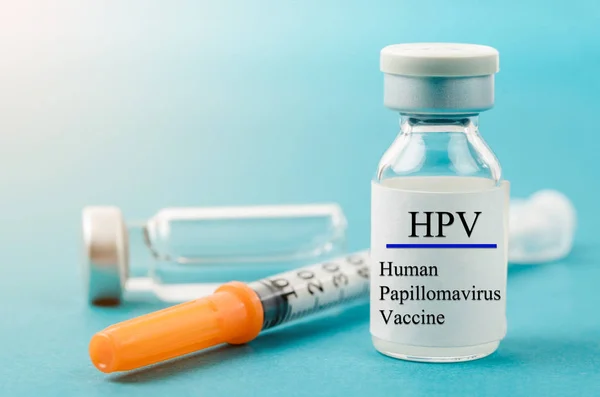
1. Vaccination
Perhaps the most effective tool against HPV is vaccination. Vaccines like Gardasil 9 protect against the strains most commonly associated with cancers and other complications.
- Recommended age : Health authorities advise starting vaccination at 11-12 years old.
- Catch-up vaccination : Men up to age 45 can still benefit, especially if they have not previously been exposed to certain strains.
- Efficacy : The vaccine has been shown to be safe and highly effective in preventing both low- and high-risk HPV types.
2. Practice safer behaviors
Using protection during close contact significantly reduces the likelihood of transmission, although it does not guarantee complete protection. This is because HPV can spread through uncovered areas.
3. Regular health check-ups
Currently, there is no routine HPV test for men. However, doctors can detect visible symptoms and offer screening tests for other related conditions. Regular checkups ensure early detection if problems arise.
4. Strengthening the immune system
A healthy immune system is usually able to clear HPV naturally. Maintaining good nutrition, exercising regularly, managing stress, and avoiding tobacco all contribute to a stronger immune response.
5. Honest communication
Openly discussing personal health with your partner helps set expectations and fosters mutual accountability. Clear communication reduces stigma and helps everyone involved make informed decisions.
Common myths about HPV
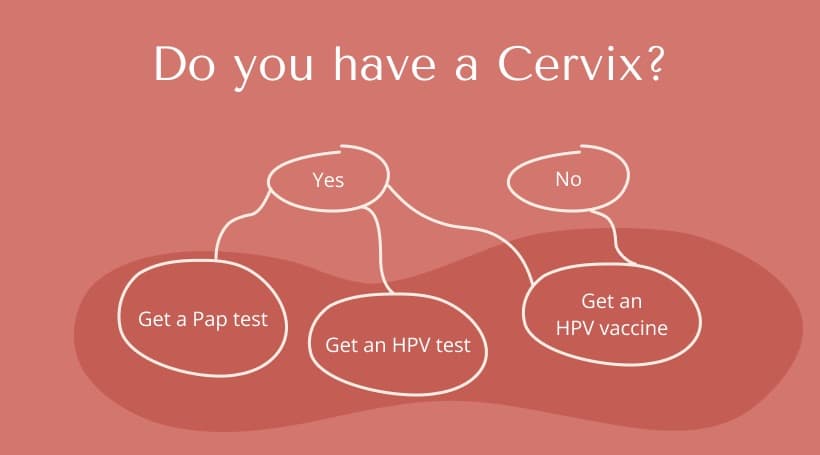
Myth 1: HPV only affects women.
Fact: Men can also experience HPV-related health problems and play an equally important role in prevention.
Myth 2: If I don’t see symptoms, I don’t have it.
Fact: Many infections are asymptomatic, but the virus may be present and transmissible.
Myth 3: Only people with “risky” lifestyles get HPV.
Fact: HPV is so common that almost everyone will contract it at some point, regardless of lifestyle.
Myth 4: Vaccines are unnecessary for men.
Fact: Vaccination benefits both men and women by reducing the overall circulation of the virus.
Frequently asked questions about HPV in men
Q1: Can men be tested for HPV?
Currently, there is no widely available HPV screening test for men. Doctors rely on visual examinations and related cancer screening tests.
Q2: Does HPV always cause cancer?
No. Most infections clear up naturally and never cause cancer. Only persistent, high-risk strains are a concern.
Q3: If I get vaccinated, am I fully protected?
The vaccine covers the most common harmful strains, but not all types. Vaccinated people should maintain healthy habits.
Buy vitamins and supplements
Q4: How long does HPV stay in the body?
In many people, the immune system clears HPV within one to two years. However, some infections can persist longer and require medical attention.
Q5: Can HPV reappear after removal?
It is possible to become reinfected, especially if exposed to new strains. Vaccination helps reduce this risk.
Long-term perspectives: living with HPV
The good news is that most HPV infections do not cause permanent damage. With proactive care—vaccination, safer practices, and regular medical checkups—men can significantly reduce their risk.
Living with HPV awareness doesn’t mean living in fear. Instead, it means staying informed, making preventative choices, and supporting broader public health initiatives to reduce transmission.
Final reflections
HPV is one of the most common viruses worldwide, and men play a vital role in its prevention. By being proactive—through vaccination, regular health checkups, and open communication—men not only protect themselves but also contribute to a healthier community.
Awareness, education, and prevention are the most powerful tools in the fight against HPV. By addressing it as a public health conversation, rather than a taboo subject, society can reduce stigma and encourage responsible choices.
In short, HPV doesn’t have to affect your health or relationships. With the right knowledge and measures, it’s a problem that can be controlled, managed, and, to a large extent, prevented.