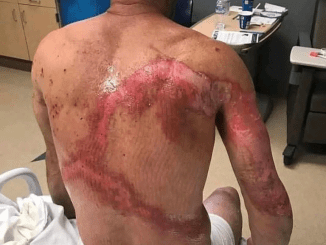
Medical innovations don’t always come from the most sophisticated laboratories or the most expensive materials. Sometimes, the solution is right in front of us, in nature, in everyday things we’d never imagine could save lives. A clear example of this is the use of tilapia skin for treating burns, a technique that has surprised the world with its effectiveness, low cost, and promising results.
For years, burn treatment has relied on grafts, expensive creams, and synthetic materials to accelerate healing and prevent infection. However, Brazilian researchers discovered that something as common as fish skin—specifically tilapia—could offer a natural, affordable, and surprisingly effective alternative for healing damaged skin.
IMPORTANT: The video related to this story can be found at the end of the article.
It all began with a group of scientists in northeastern Brazil, who were looking for an affordable way to treat burn patients, especially in public hospitals where resources are limited. In their search, tilapia skin caught their attention. This fish is one of the most consumed in Latin America, so its skin is often a byproduct of the fishing industry. But what no one imagined was that this “waste” had unique properties capable of revolutionizing medicine.
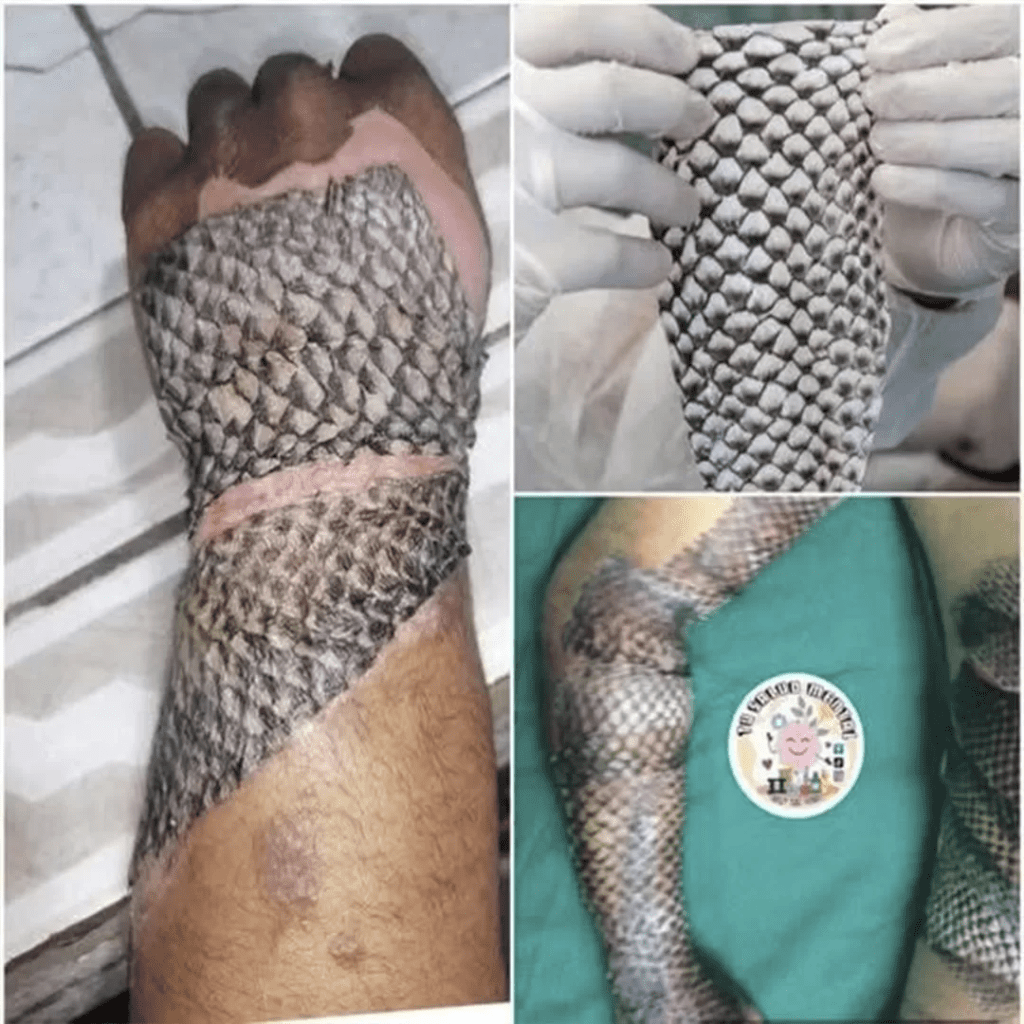
Laboratory analysis of tilapia skin revealed a high concentration of type I and type III collagen, two essential proteins for human tissue regeneration. Furthermore, its structure is firm, flexible, and very similar to that of our own skin, facilitating its adaptation to the body and creating an ideal environment for wounds to heal more quickly. And if that weren’t enough, it possesses remarkable resistance, preventing it from tearing easily, even when handled.
When applied to a burn, this skin acts like a second skin. It protects the affected area, retains the moisture necessary for healing, reduces pain, and prevents infection. Patients treated with this method report almost immediate relief, and clinical results have shown that the healing process can be faster than with traditional methods.
One of the most interesting aspects is that tilapia skin undergoes a sterilization and preservation process before use. It is thoroughly cleaned, disinfected, and then treated with glycerol to maintain it in suitable condition until it is used. In Brazilian hospitals where this treatment has been implemented, doctors apply the skin directly to the burn and leave it in place for several days, without needing to change it constantly as with other bandages.
The results have been so positive that patients not only recover faster, but also experience less scarring and fewer complications. Furthermore, the cost of this treatment is significantly lower, as it utilizes an abundant and inexpensive material, making it a real hope for healthcare systems with limited resources.
But beyond the medical aspect, this innovation has a powerful human component. Imagine the hope of someone who has suffered a severe burn and is facing a long, painful, and expensive treatment. Knowing that there is a natural, effective, and affordable option can completely change their experience and emotional recovery. In fact, many patients have described the experience as “a new lease on life,” not only because of the physical improvement, but also because of the hope they regain.
The team behind this discovery didn’t stop there. They continued refining the process and evaluating the possibility of using tilapia skin on other types of injuries, such as diabetic ulcers or surgical wounds. The preliminary results are promising, opening the door to a future where this technique could be applied in various areas of regenerative medicine.
Studies have also been conducted to ensure that the use of this skin does not cause adverse reactions. So far, clinical trials have demonstrated that tilapia skin is biocompatible, meaning the human body accepts it without problems. Even after use, it can be removed without causing pain or further damage, which is a relief for patients and facilitates the work of healthcare professionals.
As this technique gains popularity, several countries have expressed interest in replicating it. Healthcare institutions in Latin America, Africa, and Asia have begun exploring the possibility of implementing the use of tilapia skin in their hospitals. It is an inspiring example of how an innovation born in humble circumstances can become a global solution to one of the most challenging problems in modern medicine.
It’s worth noting that, although it may seem like a simple solution, this breakthrough is the result of years of research, laboratory testing, and rigorous medical ethics. Nothing was left to chance. Every step was carefully validated to ensure the treatment’s safety and efficacy. Today, that dedication is reflected in the thousands of patients who have not only regained their skin, but also their confidence and quality of life.
Some experts believe that these types of solutions pave the way for a more sustainable and humane medicine. Instead of relying exclusively on expensive or synthetic materials, science can look to nature for answers that are both effective and accessible. Tilapia skin is a clear example of this: a natural resource transformed into a high-impact medical tool.
And beyond the technological innovation, there is something profoundly symbolic in this story. A material that was once discarded now has the power to heal. It is a lesson in how, in life and in science, what many consider “worthless” can be transformed into something that saves lives.
In conclusion, tilapia skin is not just a scientific curiosity or a medical anecdote; it’s a quiet revolution in burn treatment. It represents a real, humane, and sustainable alternative that combines the wisdom of nature with the ingenuity of modern science. And although there’s still a way to go, everything suggests that this little fish has opened a new chapter in regenerative medicine.